
Blog
5/1/2024
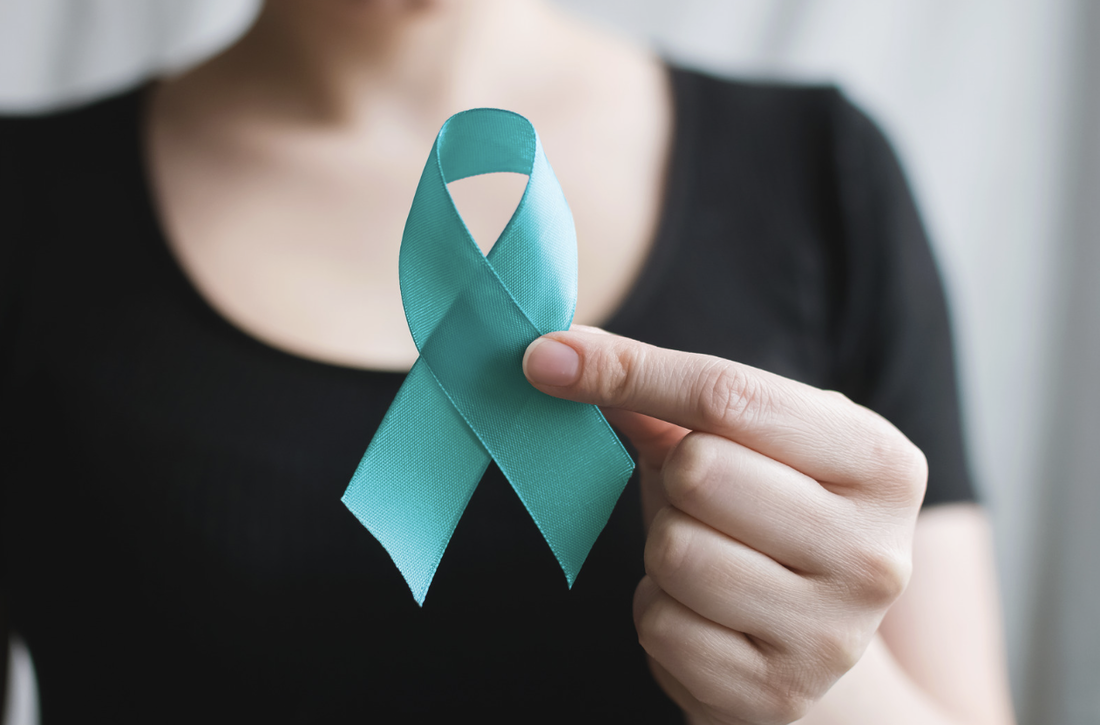
Sexual abuse within the confines of marriage is a profound violation of trust and intimacy. It is a form of domestic violence that can have severe and long-lasting impacts on the victim's physical, emotional, and psychological well-being. Here are some key points about sexual abuse in marriage:
- Definition: Sexual abuse in marriage refers to any non-consensual sexual act or behavior imposed upon one partner by the other. This includes, but is not limited to, forced sexual intercourse, coerced sexual activities, sexual harassment, and marital rape.
- Prevalence: While accurate statistics are difficult to obtain due to underreporting, studies suggest that sexual abuse within marriage is alarmingly common. It can affect individuals of any gender, age, socioeconomic status, or cultural background.
- Power Dynamics: Marriage is often characterized by an inherent power imbalance, which can be exploited by the abusive partner. This power dynamic can make it extremely difficult for the victim to resist or report the abuse.
- Psychological Impacts: Victims of sexual abuse in marriage often experience profound psychological trauma, including depression, anxiety, post-traumatic stress disorder (PTSD), low self-esteem, and feelings of shame and guilt.
- Physical Impacts: Sexual abuse can also have severe physical consequences, such as injuries, sexually transmitted infections, chronic pain, and reproductive health issues.
- Societal Attitudes: Societal attitudes and myths surrounding sexual abuse within marriage can perpetuate the problem. Some common myths include the belief that marital rape is not a crime, that a spouse is entitled to sex, or that victims are partially responsible for the abuse.
- Legal Implications: While marital rape is now recognized as a crime in most jurisdictions, legal protections and enforcement can vary greatly. Victims may face additional challenges in reporting and prosecuting their abusers due to the intimate nature of the relationship.
- Support and Resources: It is crucial for victims of sexual abuse in marriage to seek professional support and resources, such as counseling, legal assistance, and safe havens or shelters. Breaking the cycle of abuse and regaining control over one's life is a challenging but essential process.
Sexual abuse within marriage is a profound betrayal of trust and a violation of fundamental human rights. Addressing this issue requires a multifaceted approach involving legal reforms, public awareness campaigns, and comprehensive support services for victims.
0 Comments